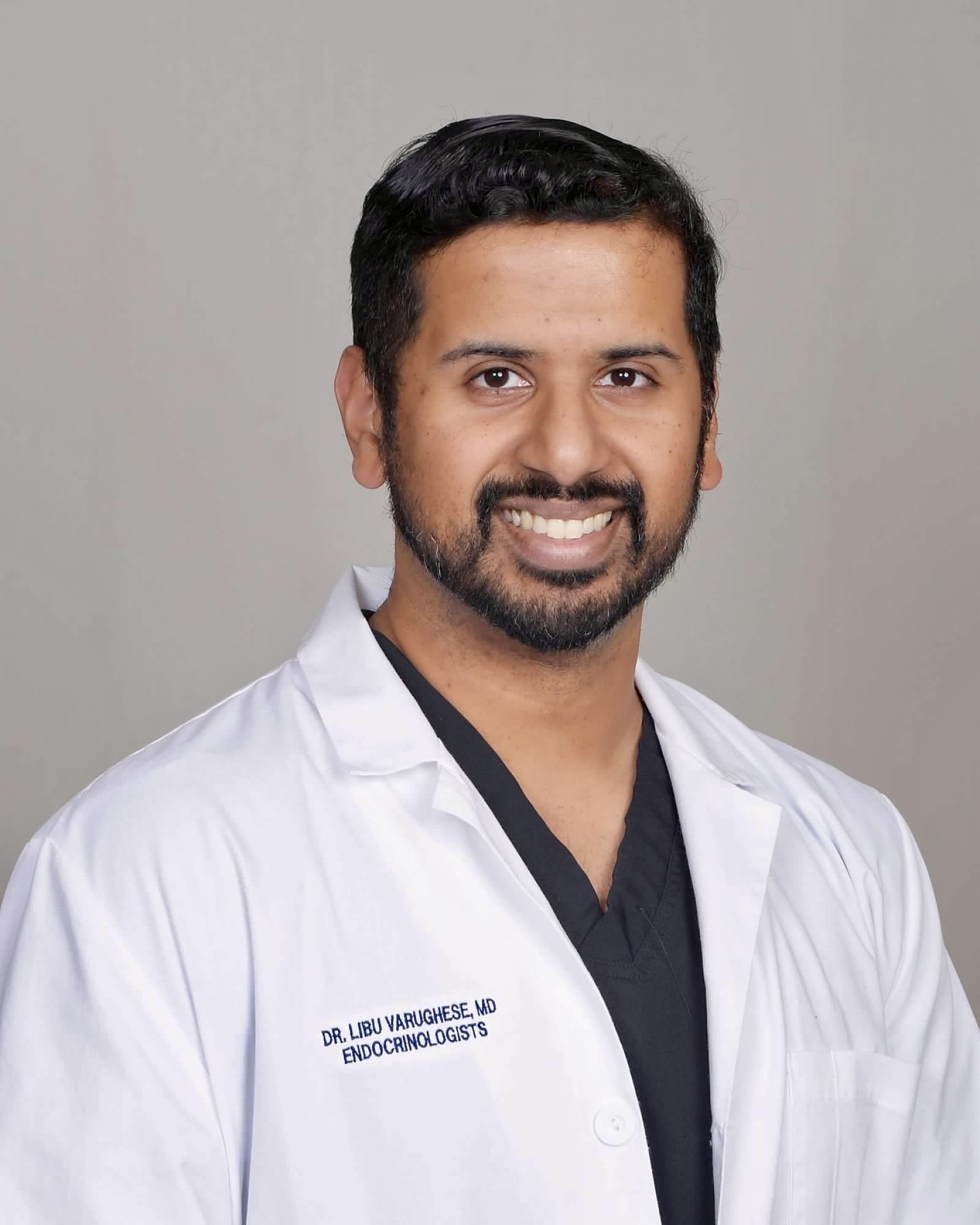
An endocrinologist is a specialist in hormonal and metabolic conditions. You should see one when your primary care doctor refers you, when standard treatments for conditions like diabetes or thyroid disease are not working, or when you have a complex condition requiring specialized expertise.
Endocrinologists are physicians who specialize in the body's hormone-producing glands and the conditions that arise when hormones are out of balance. Yet many patients aren't sure when they should seek specialist care versus continuing with their primary care provider. This guide explains what endocrinologists treat — and when seeing one makes a real difference.
What Is an Endocrinologist?
An endocrinologist is an internal medicine physician who has completed an additional 2–3 year fellowship in endocrinology, diabetes, and metabolism after residency. This specialized training focuses on the glands that produce hormones — including the thyroid, adrenal glands, pituitary gland, pancreas, parathyroid glands, and reproductive glands — and the hormones they secrete.
The endocrine system regulates nearly every major body function: metabolism, growth, sleep, reproduction, blood sugar, blood pressure, bone density, and stress response. When it malfunctions, the effects can be wide-reaching and mimic many other conditions.
🎓 Training: To become an endocrinologist, a physician must complete: medical school (4 years) → internal medicine residency (3 years) → endocrinology fellowship (2–3 years). Board certification requires passing a subspecialty exam.
What Does an Endocrinologist Treat?
Endocrinologists manage disorders of the following glands and systems:
🦋 Thyroid Gland
- Hypothyroidism (underactive thyroid)
- Hyperthyroidism (overactive thyroid)
- Hashimoto's thyroiditis (autoimmune hypothyroidism)
- Graves' disease (autoimmune hyperthyroidism)
- Thyroid nodules — evaluation and FNA biopsy coordination
- Goiter (enlarged thyroid)
- Thyroid cancer — post-surgical surveillance and radioactive iodine
- Thyroiditis (inflammation of the thyroid)
🩸 Pancreas & Blood Sugar
- Type 1 diabetes — insulin management, CGM, pump therapy
- Type 2 diabetes — comprehensive metabolic management
- Pre-diabetes — prevention and reversal strategies
- Gestational diabetes — during and after pregnancy
- Hypoglycemia (low blood sugar) of unclear cause
⚡ Adrenal Glands
- Cushing's syndrome (excess cortisol)
- Adrenal insufficiency / Addison's disease
- Primary hyperaldosteronism (hormone-driven high blood pressure)
- Pheochromocytoma
- Adrenal nodules / incidentalomas
- Congenital adrenal hyperplasia (CAH)
🧠 Pituitary Gland
- Pituitary adenomas (benign tumors)
- Acromegaly (excess growth hormone)
- Hypopituitarism (underactive pituitary)
- Prolactinoma
- Diabetes insipidus
🦴 Bone & Calcium
- Osteoporosis — diagnosis, fracture risk assessment, treatment
- Primary hyperparathyroidism (high calcium)
- Hypoparathyroidism (low calcium)
- Vitamin D deficiency and bone health
- Paget's disease of bone
♀️ Reproductive Hormones & Metabolism
- Polycystic ovary syndrome (PCOS)
- Male hypogonadism / testosterone deficiency
- Menopause-related hormone concerns
- Thyroid conditions during pregnancy
- Obesity and metabolic syndrome
- Non-alcoholic fatty liver disease (NAFLD/MAFLD)
- Cholesterol disorders related to endocrine causes
When Should You See an Endocrinologist?
Your primary care provider is your first line of care for most health concerns — and they can manage straightforward cases of hypothyroidism, type 2 diabetes, and other common conditions. But an endocrinologist becomes the right choice when:
1. Your condition is complex or not responding to treatment
If your thyroid medication has been adjusted multiple times but you still feel fatigued, or if your diabetes isn't meeting goals despite several medication changes — an endocrinologist can identify what's being missed and create a more precise plan.
2. You have a rare or complex diagnosis
Conditions like Cushing's syndrome, acromegaly, pheochromocytoma, primary hyperaldosteronism, or complex pituitary disorders require specialist expertise for accurate diagnosis and management. These are conditions primary care doctors may see only a few times in their career.
3. You have a new thyroid nodule or abnormal thyroid imaging
A nodule found on ultrasound, CT, or MRI needs proper risk-stratification using TI-RADS criteria and, when indicated, fine needle aspiration biopsy. Endocrinologists have specific training and often in-office capability for thyroid ultrasound and biopsy coordination.
4. You've been diagnosed with thyroid cancer
Post-operative thyroid cancer management — including thyroid hormone suppression therapy, radioactive iodine decisions, and long-term surveillance — requires endocrinologist expertise aligned with current ATA (American Thyroid Association) guidelines.
5. You want advanced diabetes technology
Continuous glucose monitors (CGM), insulin pumps, and closed-loop automated insulin delivery systems require specialized training to prescribe, set up, and optimize. Endocrinologists — especially those with advanced diabetes technology practices — can help you get on the right device and use it effectively.
6. You have difficult-to-control blood pressure
Up to 10–15% of patients with resistant hypertension have an underlying hormonal cause — most commonly primary hyperaldosteronism, but also pheochromocytoma, Cushing's syndrome, or thyroid dysfunction. An endocrinology evaluation is appropriate if blood pressure requires three or more medications to control.
7. You have bone loss or a fragility fracture
While primary care can initiate osteoporosis treatment, complex cases — including severe osteoporosis, treatment failure, secondary causes of bone loss, or patients needing anabolic medications (Forteo, Tymlos, Evenity) — benefit from endocrinologist management.
8. Your calcium levels are persistently abnormal
Elevated calcium (hypercalcemia) is most often caused by primary hyperparathyroidism — a condition endocrinologists diagnose and manage frequently. Low calcium (hypocalcemia) from hypoparathyroidism also requires specialist care, particularly since newer options now exist beyond standard supplementation.
💡 Tip: You don't need to wait for your primary care doctor to refer you. Many patients self-refer to our clinic. Check with your insurance to see if a referral is required — many PPO plans allow direct specialist access.
Endocrinologist vs. Primary Care: How Do They Differ?
Your primary care physician is trained broadly across all of medicine — they're your partner for preventive care, acute illness, chronic disease management, and coordinating your overall health. An endocrinologist has deep, focused expertise in one domain: hormones and metabolism.
Think of it like the difference between a general contractor and a specialist electrician. Your primary care doctor is the contractor who oversees your whole health. For complex wiring — the endocrine system — you want the specialist who does this every day.
The best outcomes typically come from collaboration: your primary care doctor remains your overall health partner, while your endocrinologist manages the hormone-specific complexity. We always communicate with your referring provider and share visit notes.
What to Expect at Your First Endocrinology Visit?
First endocrinology appointments are typically longer than a standard primary care visit — usually 45–60 minutes. We use this time to:
- Take a thorough history of your symptoms, medications, and relevant family history
- Review prior lab results and imaging
- Perform a focused physical examination relevant to your condition
- Order any needed additional testing
- Explain your diagnosis and proposed treatment plan clearly
We encourage you to bring a list of your current medications, any recent lab work, and your questions. If you've seen another endocrinologist or specialist before, please bring or request those records.
Ready to See an Endocrinologist in Houston?
Endocrine & Diabetes Plus Clinic has two Houston-area locations — Sugar Land and Memorial City — and offers telehealth appointments for patients throughout Texas. Our board-certified endocrinologists are accepting new patients, and same-week appointments are often available.